
Quote 2676

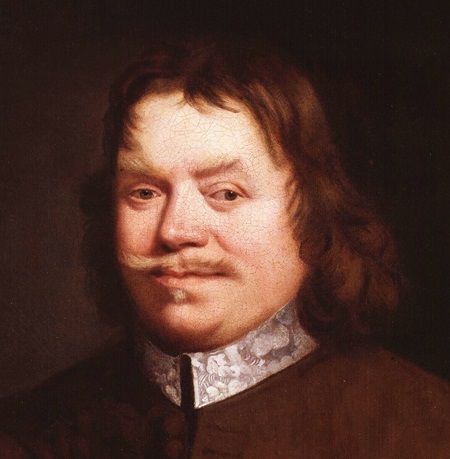
17.4K
Other Quotes from the Author & Topic
If you have sinned, do not lie down without repentance; for the want of repentance after one has sinned makes the heart yet harder and harder
Repentance, Sin0In prayer it is better to have a heart without words than words without a heart.
N/APrayer0N/A
I never know a thing well, till it is burned into my heart by prayer.
Prayer0Oh, the remembrance of my great sins, of my great temptations, and of my great fears of perishing forever! They bring afresh into my mind the remembrance of my great help, my great support from Heaven, and the great grace that God extended to such a wretch as I.
Grace Abounding to the Chief of SinnersConversion, Remembrance0Grace Abounding to the Chief of Sinners
It is profitable for Christians to be often calling to mind the very beginnings of grace with their souls.
Grace Abounding to the Chief of Sinners (Authentic Original Classic) (Kindle Locations 71-72). Destiny Image. Kindle Edition.Conversion, Remembrance0Grace Abounding to the Chief of Sinners (Authentic Original Classic) (Kindle Locations 71-72). Destiny Image. Kindle Edition.
The man who does not know the nature of the law cannot know the nature of sin. And he who does not know the nature of sin cannot know the nature of the Saviour.
The Law, Sin, Law and Gospel0We are more sure to arise out of our graves than out of our beds.
Death0The dying words of Mr. Ash, the Puritan, are well-deserving of notice. He said, "When I consider my best duties, I sink, I die, I despair. But when I think of Christ, I have enough. He is all and in all.
Death0The spirit, or soul, or life of Antichrist, is that spirit of error, that wicked, that mystery of iniquity, that under colour and pretence of verity, draweth men from truth to falsehood. The body or flesh of Antichrist, is that heap of men, that assembly of the wicked, that synagogue of Satan that is acted and governed by that spirit.
Antichrist0Few are ever saved on their death-beds. One thief on the cross was saved that none should despair; but only one, that none should presume.
Death0It is not every suffering that makes a martyr, but suffering for the word of God after a right manner: that is, not only for righteousness, but for righteousness' sake; not only for truth, but out of love to truth; not only for God's word, but according to it; to wit, in that holy, humble, meek manner as the word of God requires. It is a rare thing to suffer aright and to have thy spirit in suffering bent only against God's enemy, sin: sin in doctrine, sin in worship, sin in life, and sin in conversation.
Suffering0They that name the name of Christ, let them depart from their constitution sin, or, if you will, the sin that their temper most inclines them to. Every man is not alike inclined to the same sin, but some to one and some to another. Now, let the man that professes the name of Christ religiously consider with himself, "Unto what sin or vanity am I most inclined? Is it pride? Is it covetousness? Is it fleshly lust?" and let him labor by all means to leave off and depart from that.
Sin0Reckon with thy own heart every day before thou lie down to sleep, and cast up what thou hast received from God and done for Him and where thou hast also been wanting. This will beget praise and humility and put thee upon redeeming the day that is past, whereby thou wilt be able, through the continual supplies of grace, in some good measure to drive thy work before thee and to shorten it as thy life doth shorten, and mayst comfortably live in the hope of bringing both ends sweetly together.
Self Examination0Before you enter into prayer, ask thy soul these questions: To what end, O my soul, art thou retired into this place? Art thou not come to discourse the Lord in prayer? Is He present? Will He hear thee? Is He merciful? Will He help thee? Is thy business slight? Is it not concerning the welfare of thy soul? What words wilt thou use to move Him to compassion?
RichesPrayer0Riches
Pray often, for prayer is a shield to the soul, a sacrifice to God, and a scourge to Satan.
WorksPrayer0Works
Make the Lord's Day the market for thy soul. Let the whole day be spent in prayer, repetitions, or meditations. Lay aside the affairs of the other parts of the week. Let the sermon thou hast heard be converted into prayer. Shall God allow thee six days, and wilt not thou afford Him one?
Sabbath, The Lord's Day0A believer is to do nothing for justification, only believe and be saved; though the law be a rule for everyone that believes to walk by, it is not for justification. But if you do not put a difference between justification wrought by the man Christ without and sanctification wrought by the Spirit of Christ within, teaching believers their duty to their God for His love in giving Christ, you are not able to divide the word aright; but contrariwise, you corrupt the word of God and cast stumbling blocks before the people and will certainly one day most deeply smart for your folly, except you repent.
Justification, Sanctification0concerning the spiritual state of his family; he ought to be very diligent and cautious, doing his utmost both to increase faith where it is begun, and to begin it where it is not.
Husbands, Fathers, Leadership0God is the chief good—good so as nothing is but Himself. He is in Himself most happy. Yea, all good and all true happiness are only to be found in God, as that which is essential to His nature, nor is there any good or any happiness in or with any creature or thing but what is communicated to it by God. God is the only desirable good; nothing without Him is worthy of our hearts. Right thoughts of God are able to ravish the heart. How much more happy is the man that has interest in God. God alone is able by Himself to put the soul into a more blessed, comfortable, and happy condition than can the whole world—yea, and more than if all the created happiness of all the angels of heaven did dwell in one man's bosom. I cannot tell what to say. I am drowned. The life, the glory, the blessedness, the soulsatisfying goodness that is in God are beyond all expression.
Happiness0The heart that is fullest of good works has in it the least room for Satan's temptations.
RichesGood Works0Riches
God's presence is renewing, transforming, seasoning, sanctifying, commanding, sweetening, and lightening to the soul. Nothing like it in all the world. His presence supplies all wants, heals all maladies, saves from all dangers—is life in death, heaven in hell, all in all.
God's Presence0Forgiveness is according to the riches of God's grace, wherein He has abounded toward us in all wisdom and prudence. Grace can continue to pardon, favor, and save—from falls, in falls, and out of falls. Grace can comfort, relieve, and help those that have hurt themselves; and grace can bring the unworthy to glory. This the law cannot do; this man cannot do; this angels cannot do; this God cannot do, but only by the riches of His grace through the redemption that is in Christ Jesus.
Forgiveness0Death is a believer's ferryman to ferry him over to the land of rest; it opens the portal into heaven…. The day of a Christian's death is the birthday of his heavenly life; it is his ascension day to glory; it is his marriage day with Jesus Christ. After his funeral begins his marriage. Well then might Solomon say, "Better is the day of a man's death than the day of his birth."
Death0Thou art young; thou canst not therefore say thou shalt not die as yet. Alas! Measure the coffins in the churchyard and thou wilt find some of thy length. Young and old are within the reach of death's scythe. Old men, indeed, go to death; their age calls for it. But young men cannot hinder death's coming unto them.
Death0For the day of death to the body is, as one saith, the birthday of eternity to the soul.
Death0
Bible Resource
WhoWhatWhere Bible
A level-based Bible challenge, single and multiplayer modes available.
WhoWhatWhere Bible
A level-based Bible challenge, single and multiplayer modes available.
 Special Offer
Top Authors
1. Thomas Watson (196)
2. Charles Spurgeon (135)
3. J.C. Ryle (117)
4. Thomas Brooks (114)
5. John Calvin (108)
6. J.I. Packer (97)
7. John Flavel (96)
8. William Gurnall (93)
9. George Swinnock (89)
10. John Piper (87)
11. John Owen (74)
12. Thomas Manton (70)
13. A.W. Pink (68)
14. Louis Berkhof (63)
15. C.S. Lewis (59)
16. B.B. Warfield (59)
17. Martyn Lloyd-Jones (58)
18. R.C. Sproul (55)
19. Richard Baxter (54)
20. Matthew Henry (54)
2. Charles Spurgeon (135)
3. J.C. Ryle (117)
4. Thomas Brooks (114)
5. John Calvin (108)
6. J.I. Packer (97)
7. John Flavel (96)
8. William Gurnall (93)
9. George Swinnock (89)
10. John Piper (87)
11. John Owen (74)
12. Thomas Manton (70)
13. A.W. Pink (68)
14. Louis Berkhof (63)
15. C.S. Lewis (59)
16. B.B. Warfield (59)
17. Martyn Lloyd-Jones (58)
18. R.C. Sproul (55)
19. Richard Baxter (54)
20. Matthew Henry (54)
Top Topics
1. Sin (243)2. Prayer (187)
3. Scripture (167)
4. Faith (136)
5. Preaching (130)
6. Gospel (112)
7. The Law (111)
8. Suffering (104)
9. Salvation (96)
10. Sabbath (91)
11. Church (86)
12. Christ (82)
13. Grace (74)
14. Justification (64)
15. Law (61)
16. Truth (53)
17. Death (52)
18. Love (51)
19. Holiness (49)
20. Sanctification (48)
21. Children (46)
22. Pride (46)
23. Heaven (45)
24. Obedience (45)
25. Creation (43)
26. Theology (43)