
Quote 1641

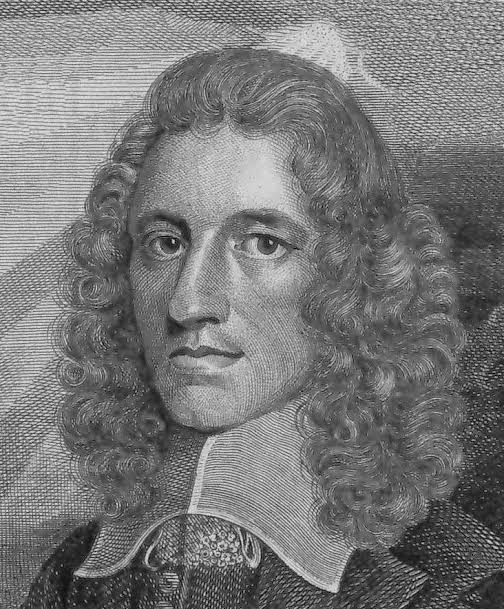
32.5K
Other Quotes from the Author & Topic
Not grace to bar what is not bliss,
Nor flight from all distress, but this:
The grace that orders our trouble and pain,
And then, in the darkness, is there to sustain.
http://www.desiringgod.org/resource-library/sermons/sustained-by-sovereign-grace-foreverGrace0A man may be theologically knowing and spiritually ignorant.
Theology, Knowledge, Ignorance0All the prayers in the Scripture you will find to be reasoning with God, not a multitude of words heaped together.
Prayer0What a wonder that two natures infinitely distant should be more intimately united than anything in the world... That the same person should have both a glory and a grief; an infinite joy in the Deity, and an inexpressible sorrow in the humanity; that a God upon a throne should be an infant in a cradle; the thundering Creator be a weeping babe and a suffering man;
Incarnation0A God of unmixed blessedness is linked personally with a man of...sorrows: life incapable to die, joined to a body in that economy incapable to live without dying first; infinite purity, and a reputed sinner; eternal blessedness with a cursed nature, Almightiness and weakness, omniscience and ignorance, immutability and changeableness, incomprehensibleness and comprehensibility; that which cannot be comprehended, and that which can be comprehended; that which is entirely independent, and that which is totally dependent; the Creator forming all things, and the creature made, met together to a personal union; "The word made flesh
Incarnation0You need grace! But someone says if you throw that much grace around it will be a liscence for sin. Only among the unconverted Church members. Oh they will take it as an excuse for sin. The genuinely converted will say this, if grace be such. If it be so large and so wide... depths I cannot sound. Then oh let me be holy!
UnknownGrace0Unknown
I desire to cast my crown at the feet of Jesus, and to cry grace! grace! Dear Sir, what a charming word is that? I am sure I can freely own, that all my salvation is of grace, unmerited, distinguishing, electing grace!
Grace0Power is God's hand or arm, omniscience His eye, mercy His bowels, eternity His duration, but holiness is His beauty
God's Attributes0Grace is the pleasure of God to magnify the worth of God by giving sinners the right and power to delight in God without obscuring the glory of God.
Grace0Repentance was never yet produced in any man's heart apart from the grace of God. As soon may you expect the leopard to regret the blood with which its fangs are moistened, as soon might you expect the lion of the wood to abjure his cruel tyranny over the feeble beasts of the plain, as expect the sinner to make any confession, or offer any repentance that shall be accepted of God, unless grace shall first renew the heart.
Grace0is it not a folly for an atheist to deny that which is the reason and common sentiment of the whole world, to strip himself of humanity, run counter to his own conscience, prefer a private before a universal judgment, give the lie to his own nature and reason, assert things impossible to be proved, nay, impossible to be acted, forge irrationalities for the support of his fancy against the common persuasion of the world, against himself, and against so much of God as is manifest in him and every man (Rom. 1:19)?
Atheism0Shall a silly passenger, that understands not the use of a compass, be angry that the skillfull pilot will not steer the vessel according to his pleasure?
God's Wisdom, Providence0The greatest punishment inflicted upon Christ, when he stood as a sacrifice for sin, was not the act of men, but the act of God
Cross, Gospel0The great objection of a penitent is, I have sinned, and I know not whether God will receive me: consider, God knows your sin better than you do, yet he kindly calls to you, and promises you as good a reception as if you had never sinned.
Sin, Grace0Those who suppose that the doctrine of God's grace tends to encourage moral laxity are simply showing that, in the most literal sense, they do not know what they are talking about. For love awakens love in return;
Knowing God (The Grace of God, 152)Grace0Knowing God (The Grace of God, 152)
Conscience is the foundation of all religion, and the two pillars upon which it is built are the being of God and the bounty of God to those who diligently seek him (Heb. 11:6).
Attributes, On God's ExistenceConscience0Attributes, On God's Existence
Without owning a God as the first cause of the world, no man can give any tolerable or satisfactory account of the world to his own reason.
Attributes, On God's ExistenceReason, Existence of God0Attributes, On God's Existence
a man may as well doubt whether there be a sun when he sees his beams gliding the earth as doubt whether there be a God when he sees his works spread in the world
Attributes, Discourse 1Existence of God0Attributes, Discourse 1
When you hear men calling upon God in a time of affrighting thunder, you cannot imagine that the fear of thunder did first introduce the notion of a God, but it implies that it was before apprehended by them or stamped upon them.
On God\'s ExistenceExistence of God, Fear0On God\'s Existence
that principle of a greedy desire to be uncontrolled in their lusts -which induces men to a denial of providence
Existence and Attributes of God, Discourse 1Providence, Wickedness, Sin0Existence and Attributes of God, Discourse 1
a fool is one who has lost his wisdom and right notion of God and divine things, which were communicated to man by creation
Existence and Attributes of God, Discourse 1Atheism0Existence and Attributes of God, Discourse 1
The psalmist lays all the evil, tyranny, lust, and persecutions of men (as if the world were only for their sake) upon their neglect of God and the atheism cherished in the hearts.
Existence and Attributes of God, Discourse 1Atheism0Existence and Attributes of God, Discourse 1
Love is a commanding affection, a uniting grace; it draws all the faculties of the soul to one center. The soul that loves God, when it hath to do with Him, is bound to the beloved object; it can mind nothing else during such impressions. When the affection is set to the worship of God, everything the soul hath will be bestowed upon it.
Love0The law is tempered by the gospel but not nulled and cast out of doors by it. It enacts that none but those that are sanctified shall be glorified; that there must be grace here if we expect glory hereafter; that we must not presume to expect an admittance to the vision of God's face unless our souls be clothed with a robe of holiness (Heb. 12:14). It requires an obedience to the whole law in our intention and purpose and an endeavor to observe it in our actions; it promotes the honor of God and ordains a universal charity among men; it reveals the whole counsel of God and furnishes men with the holiest laws.
The Law0The commands of the gospel require the obedience of the creature. There is not one precept in the gospel which interferes with any rule in the law, but strengthens it and represents it in its true exactness; the heat to scorch us is allayed, but the light to direct us is not extinguished. Not the least allowance to any sin is granted; not the least affection to any sin is indulged.
The Law0
Bible Resource
WhoWhatWhere Bible
A level-based Bible challenge, single and multiplayer modes available.
WhoWhatWhere Bible
A level-based Bible challenge, single and multiplayer modes available.
 Special Offer
Top Authors
1. Thomas Watson (196)
2. Charles Spurgeon (135)
3. J.C. Ryle (117)
4. Thomas Brooks (114)
5. John Calvin (108)
6. John Flavel (96)
7. J.I. Packer (95)
8. William Gurnall (93)
9. George Swinnock (89)
10. John Piper (87)
11. John Owen (74)
12. Thomas Manton (70)
13. A.W. Pink (68)
14. Louis Berkhof (63)
15. C.S. Lewis (59)
16. B.B. Warfield (59)
17. Martyn Lloyd-Jones (58)
18. R.C. Sproul (55)
19. Richard Baxter (54)
20. Matthew Henry (54)
2. Charles Spurgeon (135)
3. J.C. Ryle (117)
4. Thomas Brooks (114)
5. John Calvin (108)
6. John Flavel (96)
7. J.I. Packer (95)
8. William Gurnall (93)
9. George Swinnock (89)
10. John Piper (87)
11. John Owen (74)
12. Thomas Manton (70)
13. A.W. Pink (68)
14. Louis Berkhof (63)
15. C.S. Lewis (59)
16. B.B. Warfield (59)
17. Martyn Lloyd-Jones (58)
18. R.C. Sproul (55)
19. Richard Baxter (54)
20. Matthew Henry (54)
Top Topics
1. Sin (243)2. Prayer (187)
3. Scripture (167)
4. Faith (136)
5. Preaching (130)
6. Gospel (112)
7. The Law (111)
8. Suffering (104)
9. Salvation (96)
10. Sabbath (91)
11. Church (86)
12. Christ (82)
13. Grace (74)
14. Justification (64)
15. Law (61)
16. Truth (53)
17. Death (52)
18. Love (51)
19. Holiness (49)
20. Sanctification (48)
21. Children (46)
22. Pride (46)
23. Heaven (45)
24. Obedience (45)
25. Creation (43)
26. Theology (43)