
Self (20)

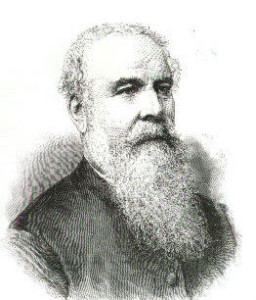
He who is his own teacher, is sure to have a fool for his master!
Pride, Self-Reliance0Abide in Jesus, the sinless One – which means, give up all of self and its life, and dwell in God's will and rest in His strength. This is what brings the power that does not commit sin.
Strength, Self0The true gospel is a call to self-denial. It is not a call to self-fulfillment.
Gospel, Self-Denial0What embitters the world is not excess of criticism, but an absence of self-criticism.
Criticism, Self0Self-righteousness is the very height of rebellion against God.
Self-Righteousness0We are not our own: let not our reason nor our will, therefore, sway our plans and deeds. We are not our own: let us therefore not set it as our goal to seek what is expedient for us according to the flesh. We are not our own: in so far as we can, let us therefore forget ourselves and all that is ours. Conversely, we are God's: let us therefore live for him and die for him. We are God's: let his wisdom and will therefore rule all our actions. We are God's: let all the parts of our life accordingly strive toward him as our only lawful goal.
Self-Denial, Self Denial0Reckon with thy own heart every day before thou lie down to sleep, and cast up what thou hast received from God and done for Him and where thou hast also been wanting. This will beget praise and humility and put thee upon redeeming the day that is past, whereby thou wilt be able, through the continual supplies of grace, in some good measure to drive thy work before thee and to shorten it as thy life doth shorten, and mayst comfortably live in the hope of bringing both ends sweetly together.
Self Examination0Self-denial is the first thing that must be resolved upon in Christianity (Matt. 16:24). A man is not discovered when God's way and his own lie together. Your great inquiry should be, "Wherein have I denied myself for God? Thwarted any lust? Hazarded any interest?"
Self-Denial0Some commands of God cannot be obeyed without much self-denial because they cross us in that which our own wills are carried forth very strongly to desire, so that we must deny our will before we can do the will of God. Now a temptation comes very forcibly when it runs with the tide of our own wills.
Self-Denial0A man may stand up in defense of himself when his life is endangered. Some of the Anabaptists hold it unlawful to take up the sword upon any occasion, though when they get the power, I would be loath to trust them, their river water often turning to blood, but questionless a man may take up the sword for self-preservation, else he comes under the breach of the sixth commandment. He is guilty of selfmurder. In taking up the sword, he doth not so much seek another's death as the safeguard of his own life; his intention is not to do hurt, but prevent it. Self-defense is consistent with Christian meekness; the law of nature and religion justify it. That God who bids us put up our sword (Matt. 26:52) yet will allow us a buckler in our own defense, and He that will have us innocent as doves, not to offend others, will have us wise as serpents in preserving ourselves.
Self Defense0In some cases a private man may himself use violence to restrain men from evil. If a man should come to seduce my wife or child in a matter I know will endanger their souls, if I could have no help by the magistrate, I might if I had power keep him off.
Self Defense0Suffer not thy mind to feed itself upon any imagination which is either impossible for thee to do or unprofitable if it be done, but rather think of the world's vanity, to condemn it; of death, to expect it; of judgment, to avoid it; of hell, to escape it; and of heaven, to desire it.
Self Control0The secret of homemade rule is self rule, first being ourselves what we want our children to be.
Children, Self0Self-seeking blinds the soul. There is not a greater hindrance to all the duties of piety than self-seeking.
Self0Culture discloses itself in two directions which in the modal structure of the aspect concerned correspond to the historical subject-object relation. On the one hand culture appears in mastery over persons by giving cultural form to their social existence; on the other hand it appears in a controlling manner of shaping things of nature
Culture, Self0Prominent Hindu sages teach that the world, including individuality is Maya -illusion. Buddhism teaches Anatman -"No-self." Your belief that you exist as an individual person is your bondage. Rene Descartes, the father of European Enlightenment, tried to prove that he existed, but failed. Therefore, much of contemporary Western philosophy has lost the confidence that you exist as a real person; a permanent soul, self, or spirit. It is following the Buddha in giving up the confidence that your logic can know the truth and that your language can communicate it. This tectonic philosophical shift is moving the modern West to postmodern, neo-Buddhist nihilism.
This Book Changed Everything, 45Enlightenment, Philosophy, Self0This Book Changed Everything, 45
Religion without self-denial… is Christianity of our own making, not of Christ's.
We carve out the easy safe part of religion, and then we call this love to God and love to Christ. No; true Christian love is to love God above all.
Self-Denial, Religion0This, therefore, we must try to do if we would be disciples of Christ, in order that our minds may be steeped in such reverence and obedience toward God as to be able to tame and subjugate to his command all contrary affections. Thus it will come to pass that, by whatever kind of cross we may be troubled, even in the greatest tribulations of mind, we shall firmly keep our patience. For the adversities themselves will have their own bitterness to gnaw at us; thus afflicted by disease, we shall both groan and be uneasy and pant after care and sorrow; thus we shall be smitten by the pain of disgrace, contempt, injustice; thus at the funerals of our dear ones we shall weep the tears that are owed to nature. But the conclusion will always be: the Lord willed, therefore let us follow his will…If it be clear that our afflictions are for our benefit, why should we not undergo them with a thankful and quiet mind? Therefore, in patiently suffering these tribulations, we do not yield to necessity but we consent for our own good.
Self-Denial, Self Denial0Self-denial is not denying to ourselves luxuries such as chocolates, cakes, cigarettes and cocktails (although it might include this); it is actually denying or disowning ourselves, renouncing our supposed right to go our own way.
Self Denial, Self-Denial0Get notified when new 'Self' quotes come out?
Bible Resource
WhoWhatWhere Bible
A level-based Bible challenge, single and multiplayer modes available.
WhoWhatWhere Bible
A level-based Bible challenge, single and multiplayer modes available.
 Special Offer
Top Authors
1. Thomas Watson (196)
2. Charles Spurgeon (135)
3. J.C. Ryle (117)
4. Thomas Brooks (114)
5. John Calvin (108)
6. John Flavel (96)
7. J.I. Packer (95)
8. William Gurnall (93)
9. George Swinnock (89)
10. John Piper (87)
11. John Owen (74)
12. Thomas Manton (70)
13. A.W. Pink (68)
14. Louis Berkhof (63)
15. C.S. Lewis (59)
16. B.B. Warfield (59)
17. Martyn Lloyd-Jones (58)
18. R.C. Sproul (55)
19. Richard Baxter (54)
20. Matthew Henry (54)
2. Charles Spurgeon (135)
3. J.C. Ryle (117)
4. Thomas Brooks (114)
5. John Calvin (108)
6. John Flavel (96)
7. J.I. Packer (95)
8. William Gurnall (93)
9. George Swinnock (89)
10. John Piper (87)
11. John Owen (74)
12. Thomas Manton (70)
13. A.W. Pink (68)
14. Louis Berkhof (63)
15. C.S. Lewis (59)
16. B.B. Warfield (59)
17. Martyn Lloyd-Jones (58)
18. R.C. Sproul (55)
19. Richard Baxter (54)
20. Matthew Henry (54)
Top Topics
1. Sin (243)2. Prayer (187)
3. Scripture (167)
4. Faith (136)
5. Preaching (130)
6. Gospel (112)
7. The Law (111)
8. Suffering (104)
9. Salvation (96)
10. Sabbath (91)
11. Church (86)
12. Christ (82)
13. Grace (74)
14. Justification (64)
15. Law (61)
16. Truth (53)
17. Death (52)
18. Love (51)
19. Holiness (49)
20. Sanctification (48)
21. Children (46)
22. Pride (46)
23. Heaven (45)
24. Obedience (45)
25. Creation (43)
26. Theology (43)